
Common Myths About Dental Veneers Debunked
Veneers have become one of the most popular cosmetic dental treatments for anyone looking to achieve a brighter, more uniform smile. These ultra-thin shells can transform the size, shape, color, and alignment of your teeth, offering a complete smile makeover.
Despite their growing popularity, there are many misconceptions and myths surrounding veneers. Understanding the facts can help you decide whether veneers are the right solution for enhancing both the appearance and function of your teeth.
Clearing Up Misconceptions About Dental Veneers
Veneers are sometimes misunderstood despite their advantages. Let’s distinguish reality from fantasy.
Veneers Look Fake and Unnatural
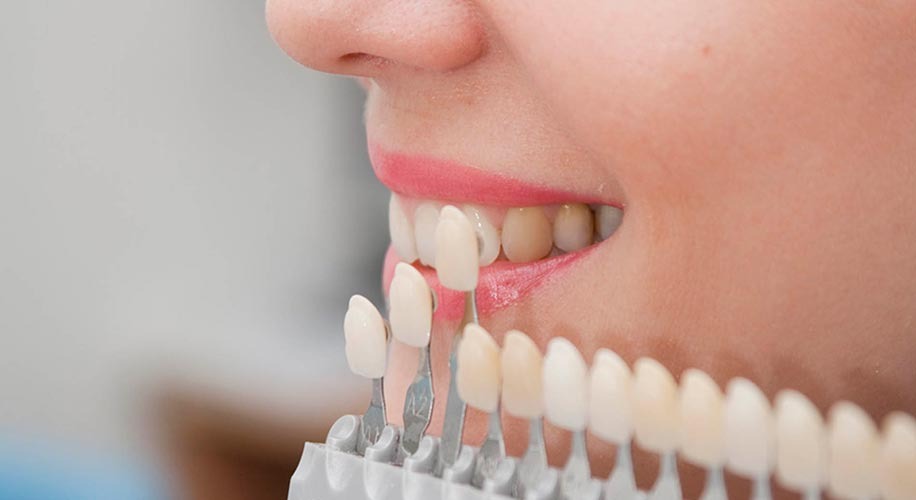
Myth – It’s a common belief that veneers look overly polished or artificial, but modern dental technology has made them almost identical to natural teeth. Today’s veneers are crafted with precision to replicate the way real enamel reflects light, and they can be custom-tinted to match your existing tooth color perfectly.
This outdated misconception stems from early versions of veneers, which lacked the realism achieved in modern dentistry. Contemporary veneers are carefully designed to capture every subtle detail — from natural translucency to contour and shade variation. When applied by a skilled cosmetic dentist, veneers blend flawlessly with your natural teeth. With the use of advanced porcelain materials that mimic the look and feel of enamel, veneers provide a beautifully authentic smile without appearing fake or overly bright.
Veneers Require Extensive Tooth Reduction
Myth – Some enamel mayOnly a very thin layer of enamel needs to be removed from your tooth in preparation for a veneer need to be removed in order to make room for the veneers, but not as much as with traditional crowns or caps. This minimal reduction in tooth surface area required for traditional veneers is only 0.3 to 0.5 mm.
Advanced minimal prep veneers, sometimes known as “no-prep” veneers, are so thin—only 0.2 to 0.3 mm—that they require little or no tooth reduction. which allows for the veneer to fit snugly on the tooth without adding any bulk. The goal of modern dentistry is to keep as much of the natural enamel as possible.
The majority of the tooth’s natural structure will be preserved by a cosmetic dentist with experience.
Veneers Are Only for Aesthetic Purposes
Myth – While veneers are often chosen to improve the appearance of teeth, their benefits extend beyond aesthetics. Veneers can strengthen and protect teeth that have been weakened by decay, wear, or previous dental work.
They can also help correct minor alignment issues and improve bite function, making them a practical solution for patients who want both cosmetic and functional dental improvements. With veneers, you can achieve a healthier, more resilient smile that looks natural and performs well.
Veneers are Permanent and Irreversible
Myth – Although veneers are designed to last for 10 to 15 years or more, they can be removed if necessary. A skilled dentist can carefully take off the veneer and the bonding material by gently drilling through the surface—without causing harm to the underlying tooth structure.
While the veneer preparation process does involve removing a very thin layer of enamel, this minimal alteration does not permanently damage your natural teeth. As a result, veneers are not considered completely permanent or irreversible. With proper care and professional expertise, they can be safely replaced or adjusted whenever needed.
Veneers Need Special Care
Fact – While veneers are highly durable and resistant to cavities, they still need proper care to maintain their appearance and longevity. Surprisingly, caring for veneers is no different from caring for natural teeth—daily brushing, flossing, and routine dental checkups are all that’s needed.
Veneers are designed to be stain-resistant, so they won’t discolor as easily as natural teeth. However, it’s important to avoid biting into very hard foods, like toffee or ice, to prevent chipping. Patients should also take care to avoid grinding or clenching their teeth, which can damage the veneers over time.
To keep both your veneers and natural teeth healthy, gently clean along the gum line with a soft brush and floss regularly, and visit your dentist for professional checkups. With proper maintenance, veneers can stay beautiful and functional for many years.
Dental veneers will weaken my teeth
Myth – Many people worry that veneers will compromise the strength of their teeth, but this isn’t true. Only a very small portion of enamel is removed to prepare the tooth, leaving most of the natural structure intact. In fact, veneers can offer an additional layer of protection, helping to shield your teeth from minor chips or wear while enhancing their appearance.
Veneers and teeth whitening do the same thing
Myth – While both enhance your smile, veneers can change the shape, size, and alignment of teeth, whereas teeth whitening only brightens natural tooth color. Choosing Veneers vs Teeth Whitening depends on your goals and your teeth’s condition
Conclusion
Veneers are more than just a cosmetic upgrade—they can strengthen teeth, correct minor alignment issues, and protect existing dental work while giving you a natural, beautiful smile. By understanding the facts and dispelling common myths, you can make an informed decision about whether veneers are the right choice for you.
At Dr. Han Dental Lounge, Dr. Han ensures that each veneer is custom-designed to enhance your unique smile while preserving your natural teeth. With proper care and expert application, veneers provide long-lasting results that improve both the appearance and function of your teeth.
Book a consultation today to see how Dr. Han can help transform your smile and boost your confidence.